
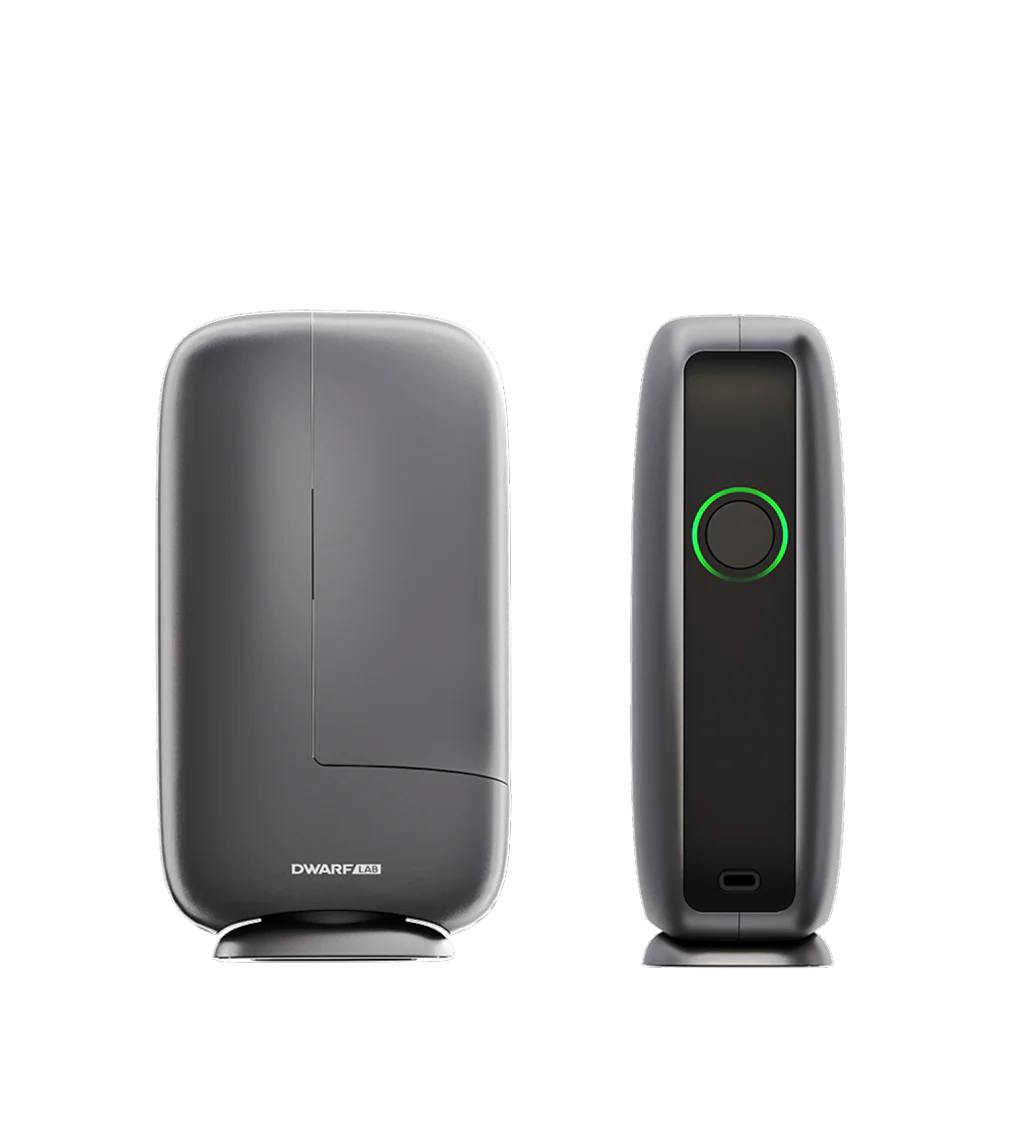
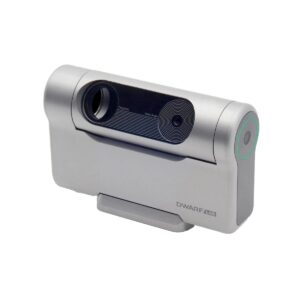
DWARF 3 vs. DWARF Mini is a comparison between two smart telescopes used for same class objects are designed, yet have different specifications. Both focus on deep-sky objects such as nebulae, galaxies and star clusters. Neither is intended for planetary photography; the focal length and aperture are too limited for that. The difference is not in what you can capture, but in How efficiently the system utilizes weak light, how big the image field is and how versatile the instrument is beyond deep-sky. You'll read about it here, as we have extensively tested and juxtaposed both models
DWARF 3 vs. DWARF Mini: Specialist vs. all-rounder
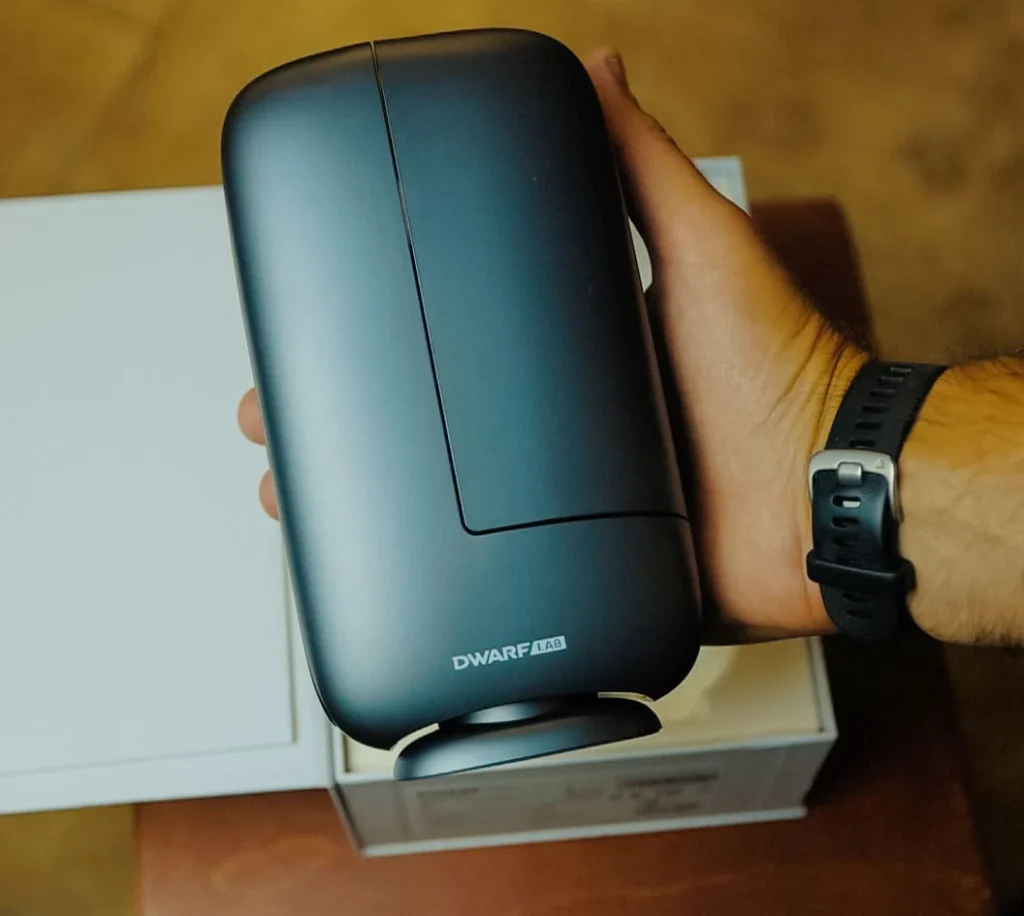
The DWARF Mini was developed as a compact deep-sky specialist. The design is focused on maximum efficiency on faint objects, with as little ballast as possible on features that do not directly support that goal. It is all about light output per pixel, stability and a simple workflow in a very small size.
The DWARF 3 is set up as an all-rounder. In addition to deep-sky photography, it supports lunar and solar observations, panoramas, object tracking (such as birds, aircraft and the ISS) and 4K video. That versatility requires different design choices: higher resolution, a wider field of view and more software capabilities.
DWARF 3 vs DWARF Mini: Sensor and image quality
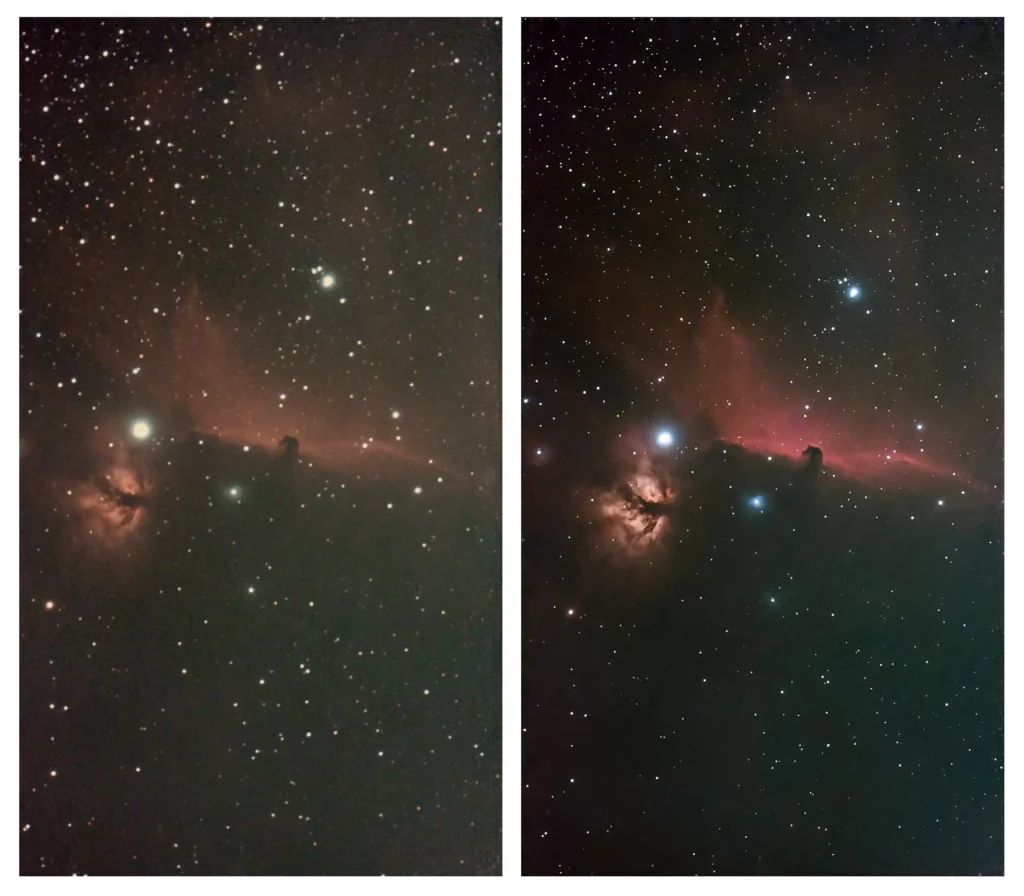
On paper, the DWARF 3 seems to have an advantage with its 8.3 megapixel 4K sensor, versus the DWARF Mini's 2 megapixel Full HD sensor. In practical tests, however, it appears that resolution does not automatically yield better deep-sky results. The Mini uses larger pixels, collecting more photons per pixel. With equal integration time, this results in a higher signal-to-noise ratio.
In comparative shots of the Orion Nebula, comets and faint nebular structures, among others, the Mini consistently shows a quieter background. Subtle structures emerge more quickly and require less severe correction afterwards. This translates into more natural images while retaining fine details....
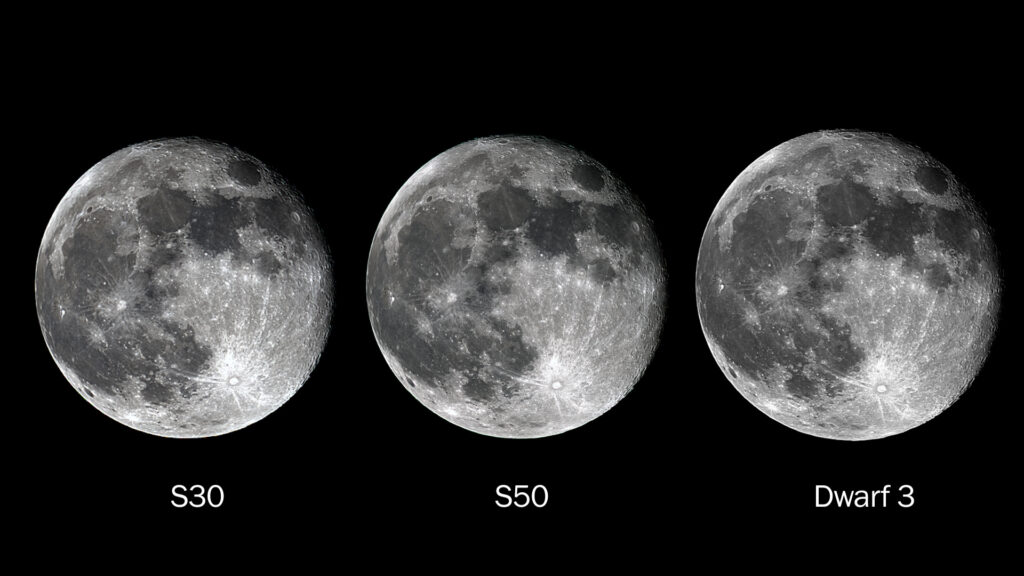
The DWARF 3 shows its power when the target is sufficiently bright. For the moon and sun, craters and sunspots remain sharper when zoomed in. Compact star fields also benefit from the extra resolution. In this scenario, detail reproduction outweighs maximum light sensitivity.
Field of view and framing: what fits in one shot
One practical difference that is immediately apparent is the image field. The DWARF 3 has a wider field of view, making it easier for large objects such as the Andromeda galaxy to fit completely into a single frame. Extended nebulae are less likely to require multiple shots or mosaics.
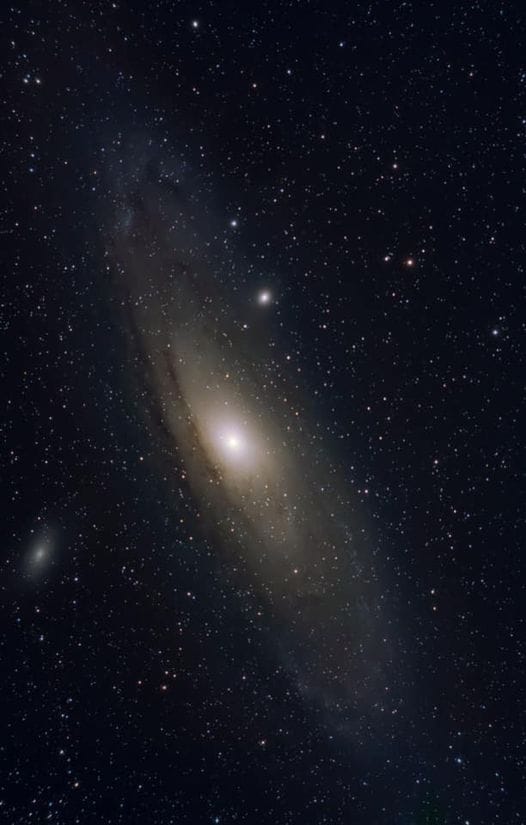
With the DWARF Mini, the field of view is smaller. This is not a limitation of image quality, but a consequence of the sensor size and focus on sensitivity. Large objects just don't fit completely in one shot; so you deliberately choose which part of the object to capture, or you combine multiple shots. In practice, this means that the DWARF 3 is more forgiving when framing, while the Mini calls for more focused compositional choices.
DWARF 3 vs. DWARF Mini: EQ mode
A distinguishing point of the DWARF Mini is its equatorial mode. In EQ mode, exposures of up to 90 seconds are possible; in practice, 30 to 60 seconds prove most stable. Importantly, this alignment no view of the pole star required. Positioning is entirely software-based via plate solving.
This greatly increases its usability. The Mini can be used without difficulty in gardens or in locations where Polaris is not visible, without manual polar alignment. For deep-sky photography, this means longer subs, less field rotation and more efficient data collection within a compact setup.
The DWARF 3 does not use a similar EQ setup for deep-sky, but compensates with software, stacking and, where necessary, mosaic functionality. This fits its role as a versatile system where simplicity and flexibility are paramount.
DWARF 3 vs. DWARF Mini: The differences while using the app
Both telescopes operate entirely through a smartphone or tablet. Live stacking, focusing and basic post-processing take place in the app; a laptop is not required. In doing so, the DWARF Mini is clearly optimized for speed and simplicity: images can be completed and shared instantly, with minimal intervention.
The DWARF 3 offers more options and settings to suit its broader use. Those looking for a single device to be used for daytime or tracking applications in addition to astrophotography will find more room here. For those primarily photographing deep-sky, the Mini feels more focused and efficient.
Moon and sun: advantage for the DWARF 3
In lunar and solar observations, the difference is obvious. The higher resolution of the DWARF 3 provides sharper details when zoomed in. Craters remain better defined and sunspots show more fine texture. The DWARF Mini can capture these objects, but reaches the limit of its resolution faster when the image is magnified.
For users who want to observe or record the moon and sun regularly, the DWARF 3 is the logical choice. For those who take these objects only occasionally, the Mini will suffice, but with realistic expectations.
DWARF 3 vs DWARF Mini: Portability
Size is not a marketing term but a practical distinction. The DWARF Mini literally fits in a coat pocket and weighs less than a kilo. It feels more like a compact camera than a telescope, making it ideal as a travel or “always with” system, even as an addition to a larger setup.
The DWARF 3 is still portable, but significantly larger. It is an instrument that you consciously take with you because of its extra features and versatility.
Optical limits and realistic expectations
Both systems share the same physical limitation: an aperture of about 30 mm. Software and stacking compensate a lot, but of course do not exceed laws of nature. Don't expect planetary detail or resolution comparable to large classical telescopes. What they do offer is a surprisingly efficient and accessible way to capture deep-sky objects without complex setups.
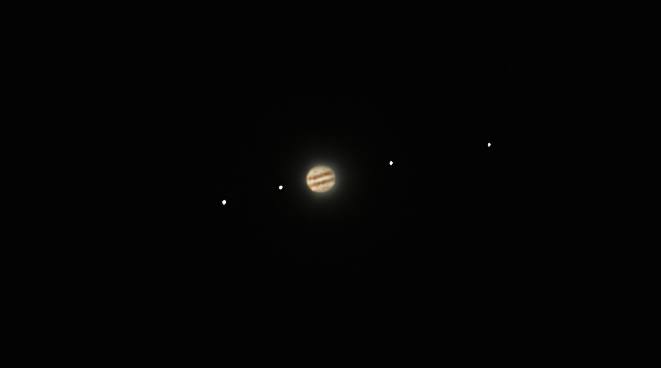
Our findings: DWARF Mini vs DWARF 3
It's incredible that you can buy such a great little compact deep-sky telescope for such a relatively small amount of money these days.
The DWARF Mini is a purposely specialized deep-sky telescope. It delivers cleaner data on faint objects, offers a mature EQ mode without polar view, and does so in an extremely compact size. The DWARF 3 is a versatile smart telescope with more resolution, a wider field of view and clear advantages in lunar, solar and general applications.
Which choice is best depends on priority. Those looking for maximum deep-sky efficiency in the smallest possible size, choose the DWARF Mini. Those who want a single system that combines deep-sky with moon, sun and additional features choose the DWARF 3.


 Dutch
Dutch English