
The starry sky february 2026 provides a unique window for anyone who takes visual astronomy seriously, or has a passion for the night sky! As winter slowly turns into spring, the northern hemisphere's most iconic objects are in their best position. For Dobson telescope owners, this is a month of extremes: from the subtle details on gas giants to a rare grouping of six planets at the end of the month. In this guide, we explain how to make the most of these nights and why February 2026 is technically particularly challenging for your equipment.
Why the night sky February 2026 is so bright
February is known among astronomers for the high transparency of the sky. The cold atmosphere often contains less water vapor, resulting in a high-contrast image. This is the time when a dobson telescope with a large aperture, such as the Omegon 203/1200, proves its worth. The extra light output allows you to see through thin air and observe details in distant galaxies that are often lost in a gray haze in the humid summer months.
However, keep in mind the optical laws of nature: a mirror coming from a warm living room will create thermal vortices in the tube in the freezing cold of February. This ‘tube-seeing’ significantly blurs the image at high magnifications. We recommend giving your telescope at least 45 to 60 minutes to acclimate. Only when the mirror has reached ambient temperature do the details on Jupiter and the sharpness of star clusters really become apparent.
The role of a smart scope in the starry sky February 2026
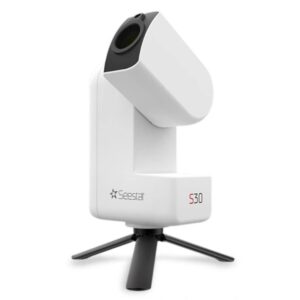
In addition to the classic Dobson, we see the smart scope, such as the ZWO Seestar S50 or the DWARF 3/Mini, playing an increasing role in capturing the starry sky february 2026. Whereas a Dobson excels at capturing photons live with your own eye, a smart scope does the heavy lifting of astrophotography for you.
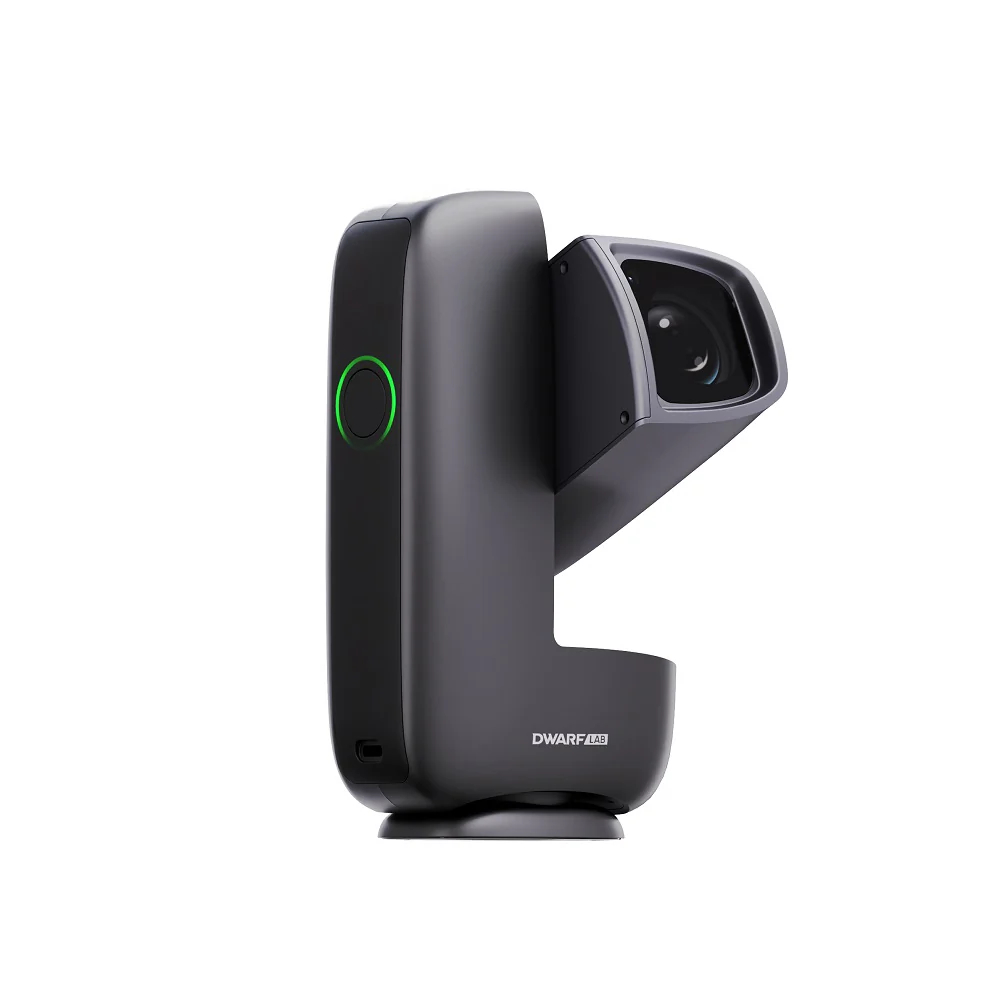
On the cold nights of February, a smart scope is an ideal companion. While you are enjoying the Orion Nebula through the eyepiece of your Dobson, a smart scope can ‘stack’ (stack) hundreds of short exposures a few feet away to make the colors of that same nebula visible. In February 2026, when the sky is often highly transparent, these systems perform optimally because less stray light is reflected by water vapor. It is not a matter of choosing between a Dobson or a smart scope; they are complementary instruments, each revealing a different aspect of the universe.
How best to view the February 2026 night sky
To make good use of your nights, it is wise to align your sessions with the phases of the moon. The moon is the largest source of light pollution and determines what you can see that night.
Around Feb. 1, the moon is full. This is not a good time for faint nebulae, but it is for lunar observation. With a dobson telescope and a good moon filter, you can see the shadows in the craters at the edge of the moon (the terminator) beautifully. Around Feb. 10, Jupiter is high in the constellation Gemini (Gemini). This is the best time for planetary detail. Use a 6mm or 9mm eyepiece to look for the cloud bands and the Great Red Spot.
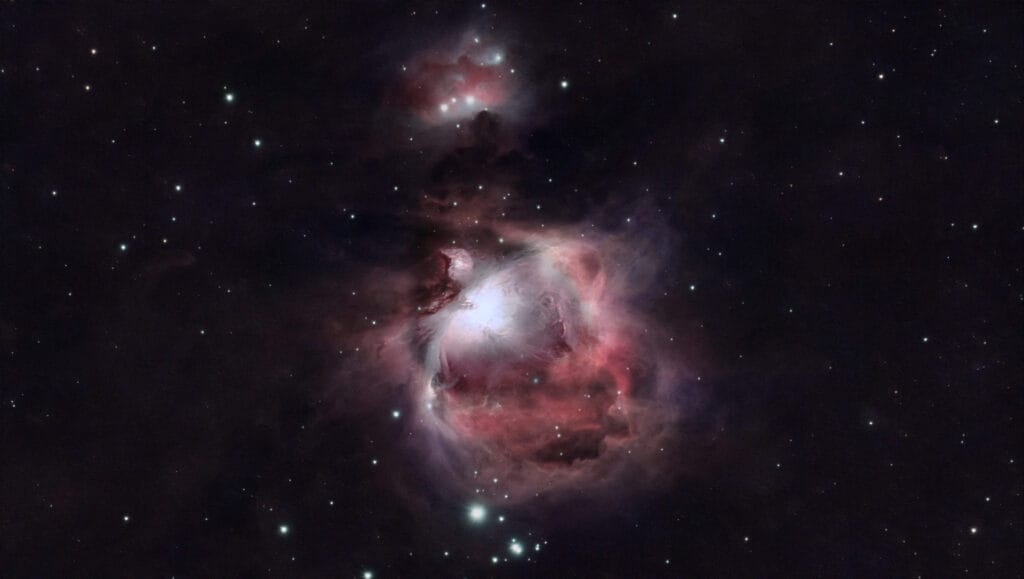
Around Feb. 17, we are experiencing New Moon. This is the ‘deep-sky window’ of the starry sky february 2026. Without distracting moonlight, you can look for objects that would otherwise remain invisible. Aim your telescope at the constellation Great Bear for the galaxies M81 and M82, or stick to Orion for the world-famous Orion Nebula (M42). Here, in a 203mm mirror, you can see the gossamer structures of gas floating through the universe like plumes of smoke. Use an app like Stellarium, then you will find these objects easily!
Highlight of the starry sky February 2026: The Planet Parade
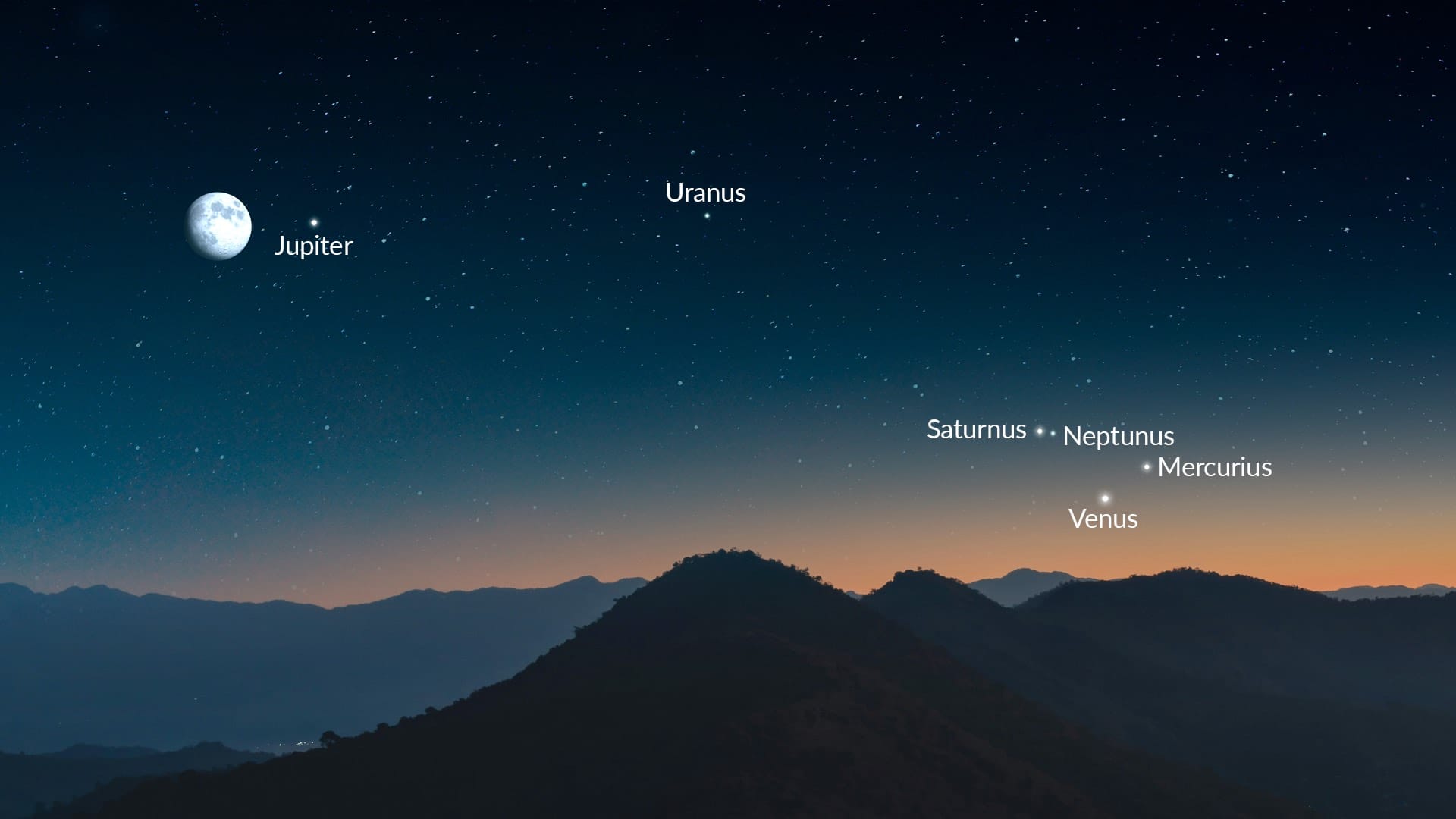
At the tail end of the month, a phenomenon takes place that should not be missed. On Feb. 28, Mercury, Venus, Saturn, Neptune, Uranus and Jupiter align as seen from Earth. This is a practical challenge for any observer. The parade begins immediately after sunset on the western horizon and requires quick action.
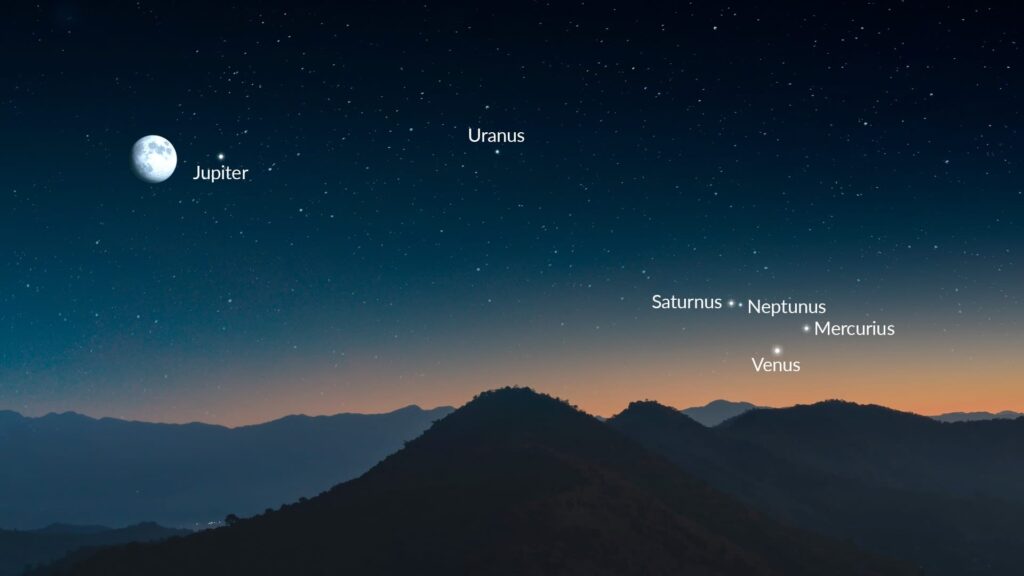
Venus and Jupiter are the anchors of this parade; they are so bright that you can see them with the naked eye even in a light-polluted environment. For Uranus and Neptune, however, you need the light-gathering power of a Dobson. Uranus is visible as a small, blue-green disc at a magnification of about 100x. Neptune remains a challenge even in a large telescope and looks like a faint, blue star that reveals its planetary character only at very high magnification.
The biggest obstacle is the horizon factor. Mercury and Saturn are extremely low during this parade. You need to be in a spot with no trees or buildings to the west. Because a Dobson is low to the ground, it can sometimes help to place the rocker box on an elevation if you have to look over a hedge or low wall.
Read more about the February 2026 Planet Parade here!
What do you realistically see in the night sky February 2026?
It is a widespread misconception that large telescopes show colors like those in the processed photos of the NASA. In low light, the human eye is simply unable to register color in dim, diffuse objects. We call this night vision or scotopic vision.
Looking at the Orion Nebula through a Dobson, you can see an impressive, greenish-gray structure. The value of a starry sky february 2026 session is in the texture, the depth and the knowledge that you are looking live at light that has been on the road for thousands of years. With Jupiter, you see the beige bands of clouds and the shadows of the Galilean moons, but don't expect bright, saturated colors. The power of visual astronomy is its purity: there is no chip or screen between you and the object.
Proper preparation for the starry sky February 2026
A successful session in February hinges on your equipment. The cold nights create a specific enemy: dew. As the air cools, moisture condenses on the mirrors of your telescope. A dew hood is therefore essential for an uninterrupted session. For owners of a Dobson, a catch mirror heater is also sometimes a worthwhile investment if you want to spend hours outside.
In addition, the right eyepieces are crucial. For the planetary parade and observing Jupiter, you need an eyepiece with good contrast and comfortable viewing. The Omegon Cronus series is ideally suited for this purpose. These eyepieces offer a wider field of view than standard eyepieces, which is very convenient because a dobson telescope is manually operated. At high magnifications, objects quickly run out of focus due to the earth's rotation; a wider field of view gives you more time to look before having to move the tube again.
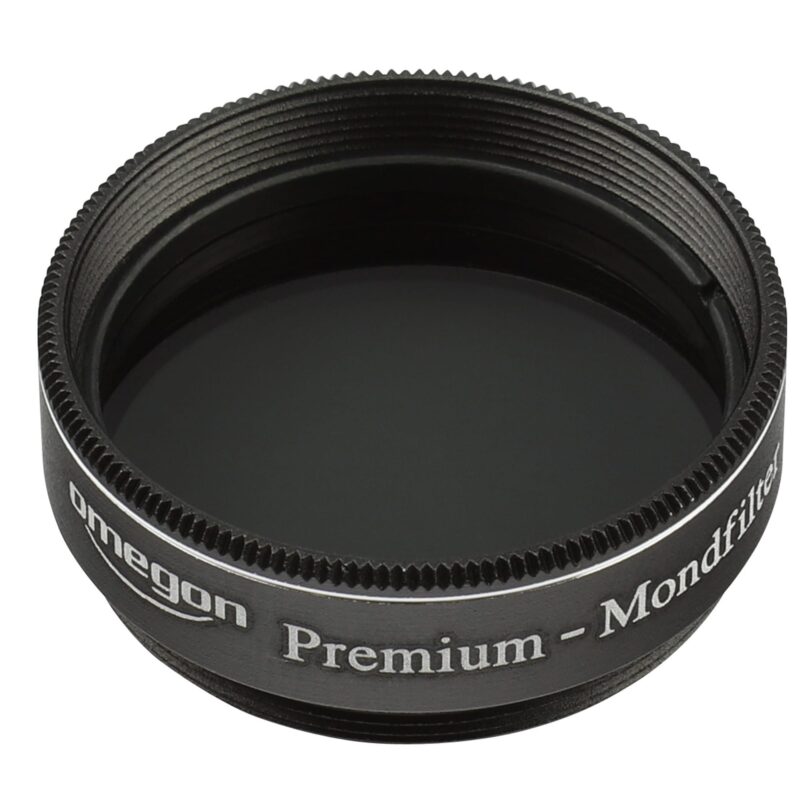
Finally, don't forget the moon filter. During the first week of the month, the moon is so bright that viewing without a filter can be painful to the eyes and instantly destroys your night vision. A simple gray filter brings the brightness down to a comfortable level, allowing you to discern much more detail in the craters.
Our view of the night sky February 2026
February 2026 is a month in which the active observer is richly rewarded. Whether you want to track the rare lineup of planets, collect colors with a smart scope or explore the depths of winter nebulae with a Dobson, the basics remain the same. Success in astronomy comes from good preparation, patience and, above all, realistic expectations. The starry sky february 2026 is a beautiful sight, provided you know where and how to look.
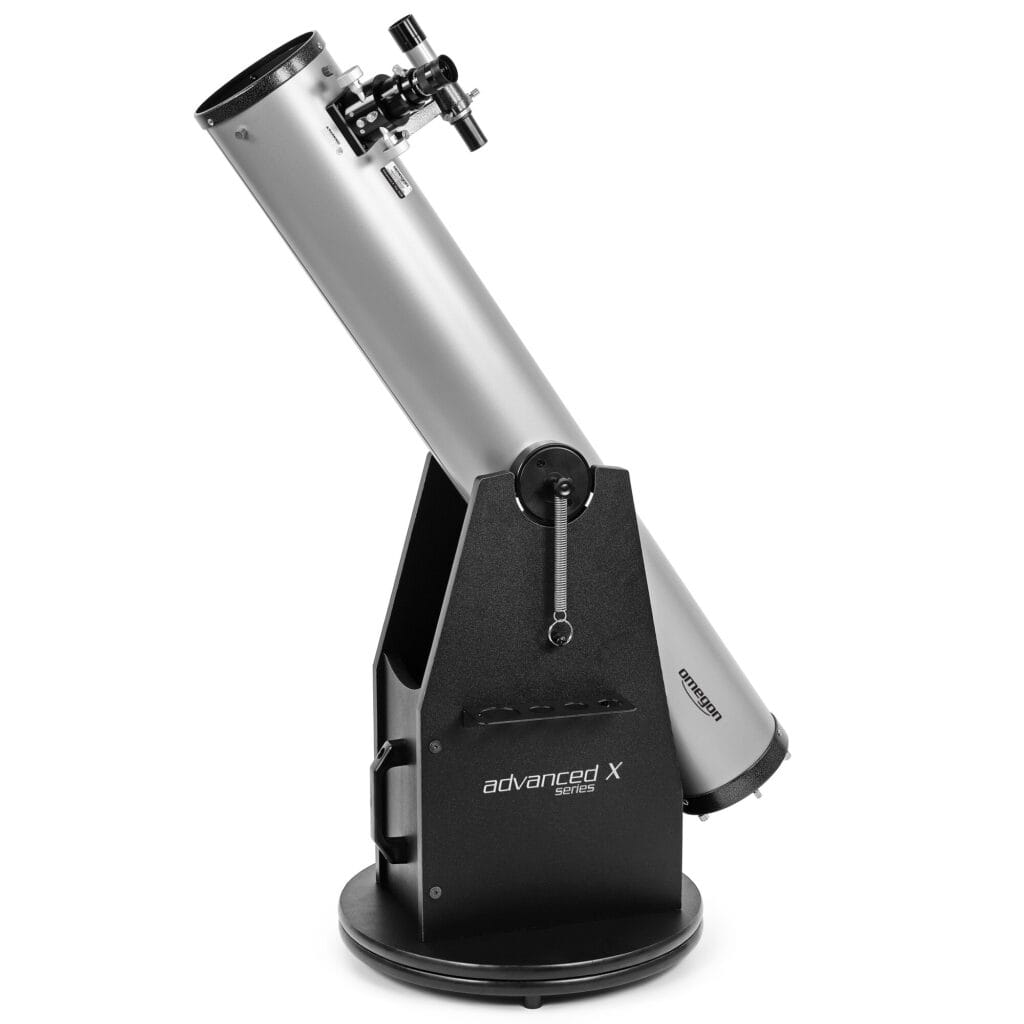
Want to experience for yourself what the parade of planets looks like through a quality mirror? Then take a look at our assortment Dobson telescopes and choose the aperture that suits your ambitions and observation location.




 Dutch
Dutch English