
Astro cameras
Showing 1–12 of 64 resultsSorted by popularity
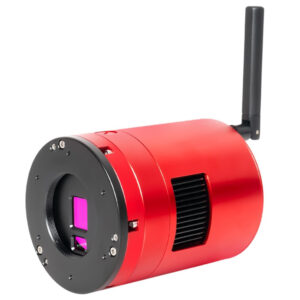
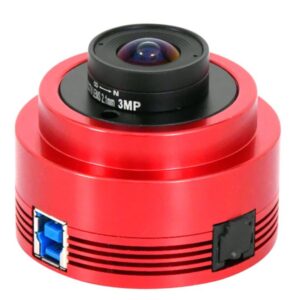
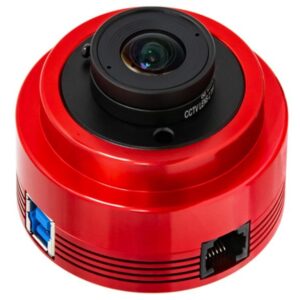
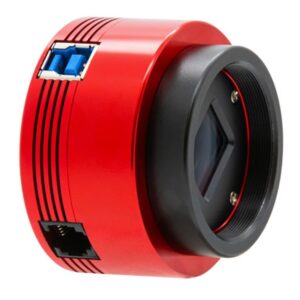
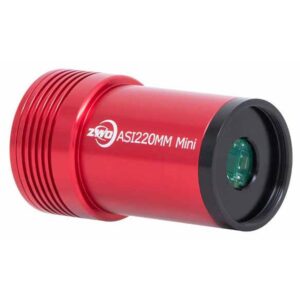
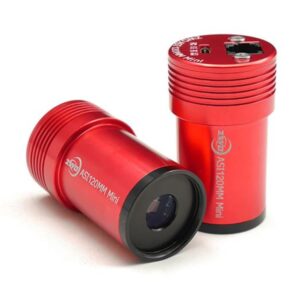
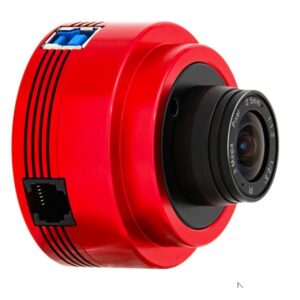
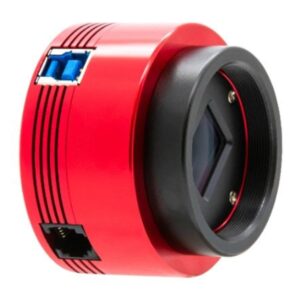
Showing 1–12 of 64 resultsSorted by popularity
Astro cameras: the key to razor-sharp sky shots
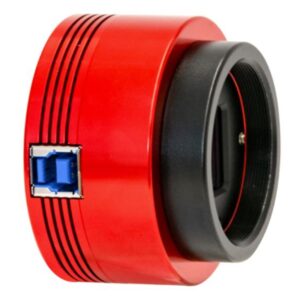
A astro-camera forms the heart of any modern setup for astrophotography. Whereas standard SLR (dslr) or system cameras are often limited by noise, internal heat and compression algorithms, specialized astro cameras are designed to capture dim light sources with maximum precision. They are many times more sensitive, efficient and fully optimized for the unique challenges of the night sky.
At telescoop.nl you will find a carefully selected range of cmos cameras from top brands such as zwo, which set the standard in today's market for both planetary and deep-sky photography. Whether you are looking for a compact entry-level model or a professional full-frame variant with active cooling, each astro-camera in our range have been tested for reliability and seamless compatibility with our telescopes and accessories.
What makes an astro-camera unique?
A real astro-camera is distinguished by technical refinements focused entirely on light sensitivity and signal stability. The main features that distinguish these cameras from regular photography equipment are:
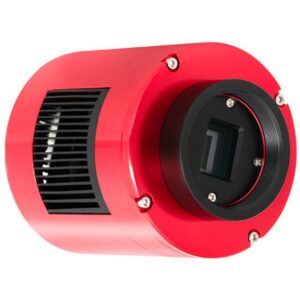
Active cooling (tec): this technique drastically lowers the temperature of the image chip (often 20 to 35 degrees below ambient temperature) to minimize thermal noise. This is essential for the long exposure times required for faint deep-sky objects.
Choice of monochrome or color: monochrome sensors offer the highest resolution and maximum control via filters, while color (osc) cameras offer a much faster and easier workflow.
Integrated usb hub: many modern astro-cameras act as a central hub to which you can connect filter wheels, focus motors and tracking cameras directly through one cable to your computer.
Signal transmission: thanks to usb 3.0 and large internal buffers, data from high-resolution sensors is transferred at lightning speed and without errors.
The result of this technology is a purer signal, accurate colors and images with a depth and contrast unachievable with an ordinary camera.
Which astro-camera suits your ambitions?
When choosing a astro-camera your main goal is decisive: do you want to focus on planets, deep-sky nebulae or are you looking for an all-round instrument?.
For planets and beginners: ZWO ASI 120MC & 224MC
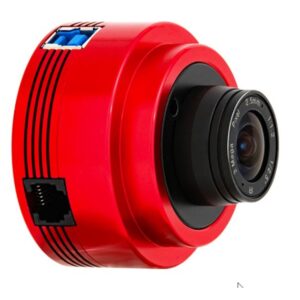
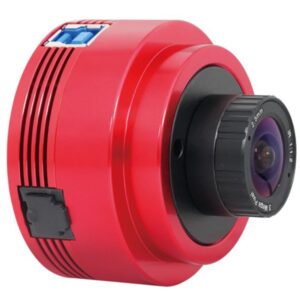
These models are the perfect entry for planetary photography. They are compact, extremely light-sensitive and, due to their high frame rate, excellent for ‘freezing’ atmospheric turbulence when shooting the moon, jupiter or saturn.
For deep-sky and nebulae: ZWO ASI 1600MM & 183MC
These are popular all-round cameras with a larger sensor size and very low read noise. They are ideal for the photographer who wants to capture more detail in distant nebulae and is willing to invest time in advanced post-processing.
For the professional photographer: ZWO ASI 2600 & 6200 Pro
These flagships feature high-resolution sensors, huge dynamic range and no ‘amp-glow’ problems. The cooled full-frame sensors make these astro-cameras suitable for the most demanding projects and even scientific applications.
Important considerations in your purchase
Before making a going to buy astro-camera, there are some technical aspects to consider:
Pixel size and resolution: smaller pixels give more detail, but are more sensitive to a troubled atmosphere (seeing). The pixels should match the focal length of your telescope for optimal sampling.
Sensor format: a larger sensor (aps-c or full-frame) offers a wider field of view, but also places higher demands on the image circle of your telescope and the quality of your field flatteners.
Backfocus: the distance from the camera adapter to the sensor must be exactly right for a sharp image. For this we have specific spacers and adapters in our assortment.
Frequently asked questions about astro cameras
What is the difference between a dslr and an astro-camera? A dslr is designed for daylight and has filters that block valuable astronomical wavelengths (such as h-alpha). A astro-camera does register this light, has no internal noise reduction that polishes away details and can be actively cooled for hours of exposures.
Is a monochrome camera really better? Monochrome provides more sharpness and offers the flexibility to work with narrowband filters (which allow you to shoot even at full moon). However, color cameras are so good these days that they are preferred for many beginners because of ease of use and faster results.
Can I use my regular telescope with an astro-camera? Virtually any telescope can be equipped with a astro-camera. However, it is important to see if the mount can track the earth's rotation accurately enough for the chosen camera and telescope combination.
Your journey to first recordings begins here
A good astro-camera makes the difference between a faint speck of light and a breathtaking portrait of the universe. Whether you want to map the craters of the moon or capture the structures in the orion nebula, at telescoop.nl you will find not only the right hardware, but also the specialized knowledge to get the most out of your nights.
Need help calculating the right pixel scale or looking for the perfect match between camera and telescope? Our experts are at your service. Order before 23:59 and you will have your new astro-camera within 48 hours in most cases.
 Dutch
Dutch English