
Flatteners
Showing 1–12 of 24 resultsSorted by popularity
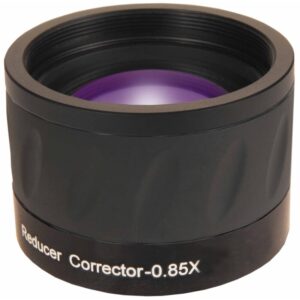
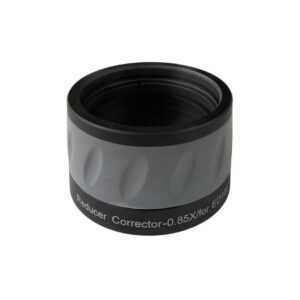
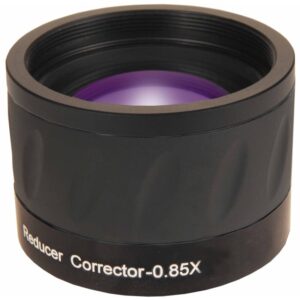
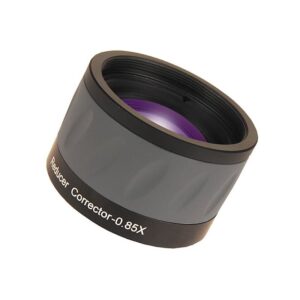
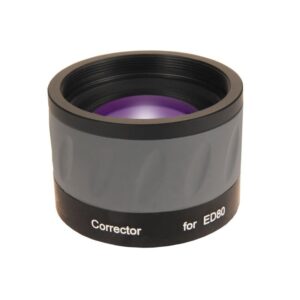
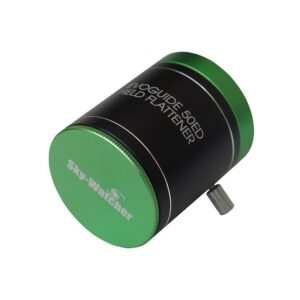
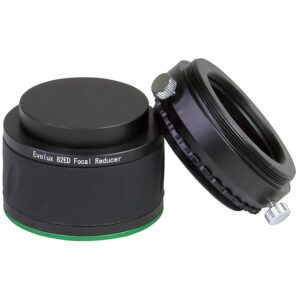
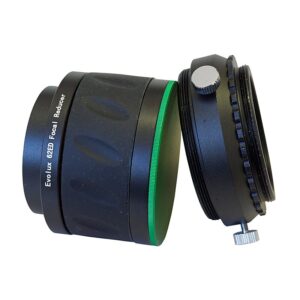
Showing 1–12 of 24 resultsSorted by popularity
The function of a field flattener
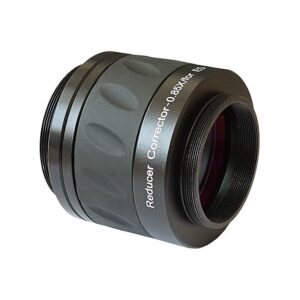
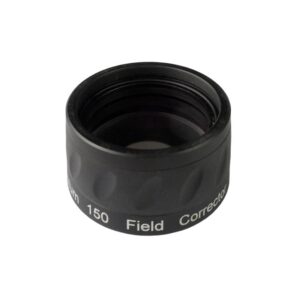
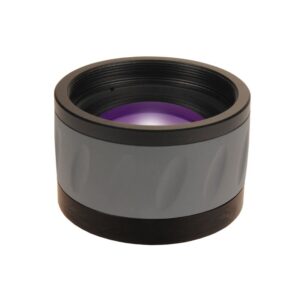
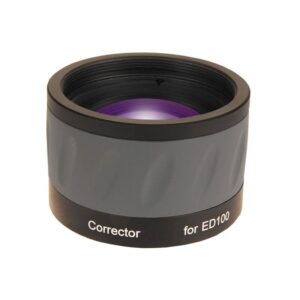
A field flattener is an optical instrument that corrects the natural curvature of a telescope's focal plane. Most refractors project an image onto a curved plane, while a camera's sensor is flat. This results in an image where the stars are sharp in the center, but become increasingly out of focus and distorted toward the edges. A flattener flattens this image field without changing the focal length of the telescope.
Image field curvature in refractors
When using modern high-resolution CMOS sensors, any optical aberration is immediately noticeable. Especially with larger sensor sizes, such as APS-C or full-frame, distortion at the edges of the field is significant. Stars appear stretched or out of focus there. A field flattener restores the geometry of the incoming light so that the focus remains consistent across the entire sensor.
Back focus and distance from the sensor
The effectiveness of a flattener depends entirely on the exact positioning relative to the camera sensor. This distance, the back focus, is usually fixed at 55 mm, but can vary from model to model. A deviation of just one millimeter can already lead to residual image errors. The use of accurate adapters and intermediate rings is therefore essential to achieve the optimal distance in the optical train.
Combination with reducers
In our assortment you will find both pure flatteners and combined ‘reducer/flatteners’. Whereas a pure flattener only corrects the field of view by a factor of 1.0x, a reducer/flattener also shortens the focal length. The choice between the two depends on the desired field of view and the aperture ratio of the telescope. For photographers who want to maintain the original focal length of their refractor, a dedicated field flattener is the obvious choice.
 Dutch
Dutch English