
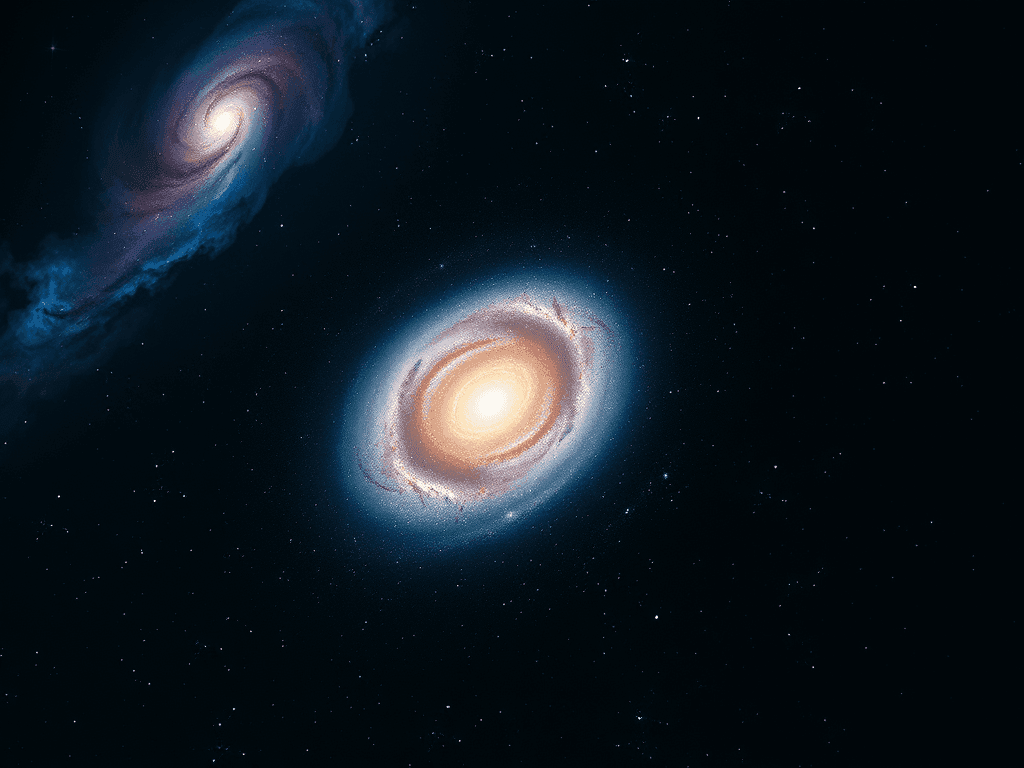
The universe is infinitely larger than our own cosmic backyard with the moon and planets. Those who take the plunge into deep-sky objects enter a realm of faint nebulae, distant galaxies and ancient star clusters. But how you experience those objects these days depends on a fundamental choice: do you trust your own eyes or the power of a digital sensor? There is no right or wrong in this hobby, only a difference in perception. Where some swear by the raw, visual experience under a pitch-black sky, others find their passion in the hidden colors that a smart telescope to the surface.
The magic of visual perception
For many astronomers, visual observation remains the purest form of the hobby. There is something indescribable about the idea that the photons that land on your retina left from a system such as the Andromeda Nebula millions of years ago. Because our eyes are not built to see color at night in low light, most objects appear as mysterious, silvery apparitions. This is also known as the hunt for the ’faint fuzzies.“.
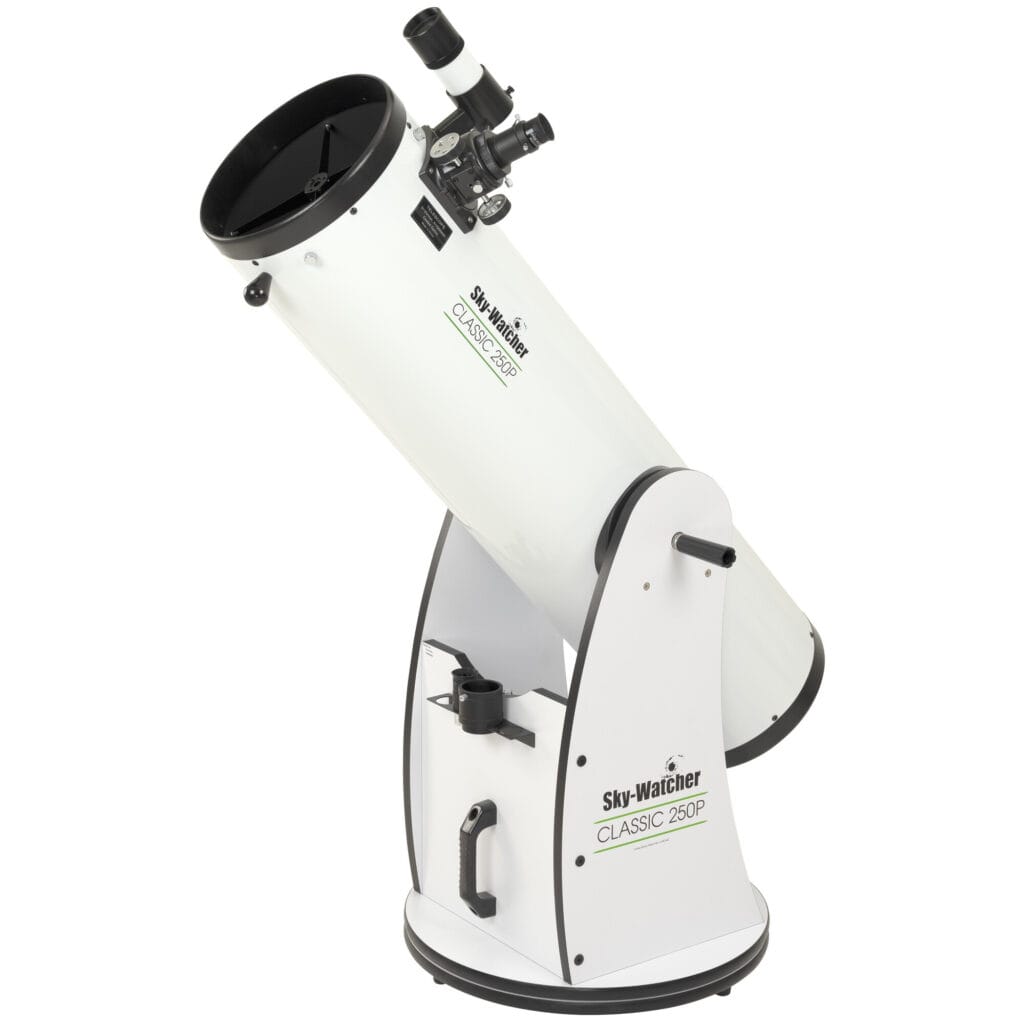
To really enjoy this, a telescope with a large aperture is essential. A classic dobson telescope is the undisputed king here, because it captures as much light as possible. But you need more than just glass; you need technique. Experienced observers use “verted vision,” for example. By looking just next to an object, light hits the rods in your eye that are more sensitive to contrast. So you suddenly see the spiral arms of a galaxy that remain invisible with a direct view. It's an active way of looking that requires patience and training, but the reward is a direct, physical connection to the universe. With OIII filters and UHC filters you can unlock the best contrasts in emission nebulae, by blocking the distracting glow of artificial light and specifically allowing the wavelengths through which these cosmic gas clouds radiate.
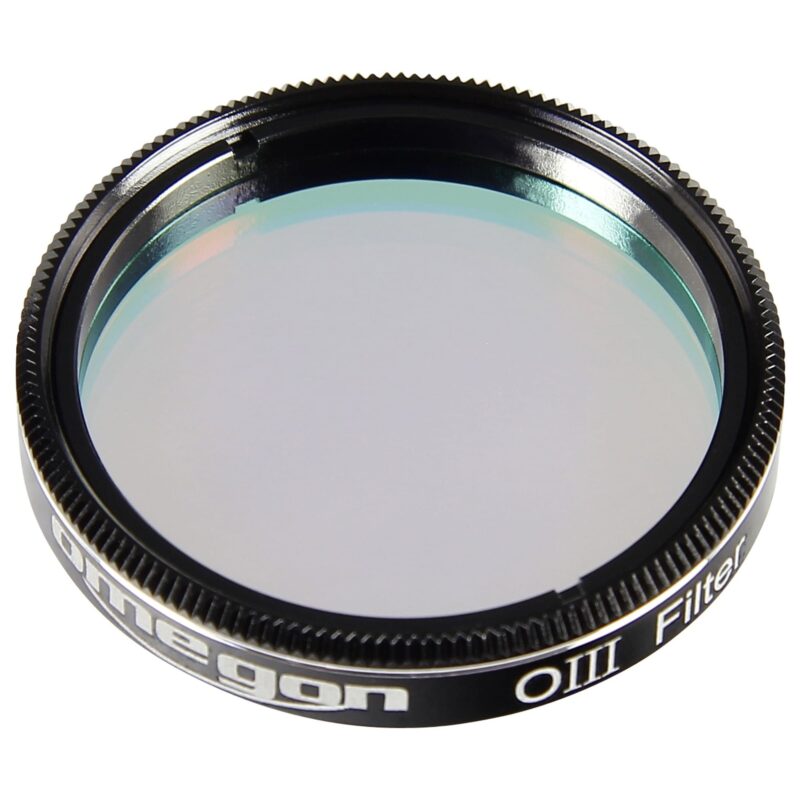
Omegon OIII nebula filter 1.2
Omegon OIII Nebula Filter 1.25″ - shows emission nebulae with maximum sharpness and contrast by allowing only double ionized oxygen light (OIII) through.
The digital revolution of the smart telescope
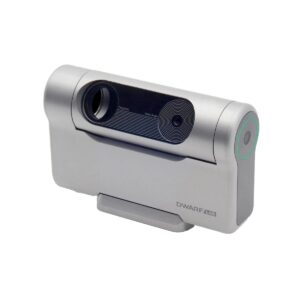
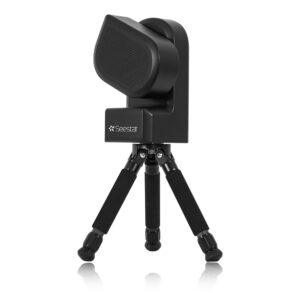
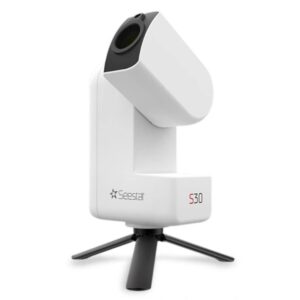
Since the advent of devices such as the Seestar s50 and the Dwarf Mini the threshold for deep-sky observation has all but disappeared. These smart telescopes work fundamentally differently than a traditional scope. Whereas your eye refreshes the image every fraction of a second, a digital sensor looks at the same point for minutes at a time. We call this process “live stacking.” The telescope takes hundreds of short shots and superimposes them to suppress noise and amplify the signal.
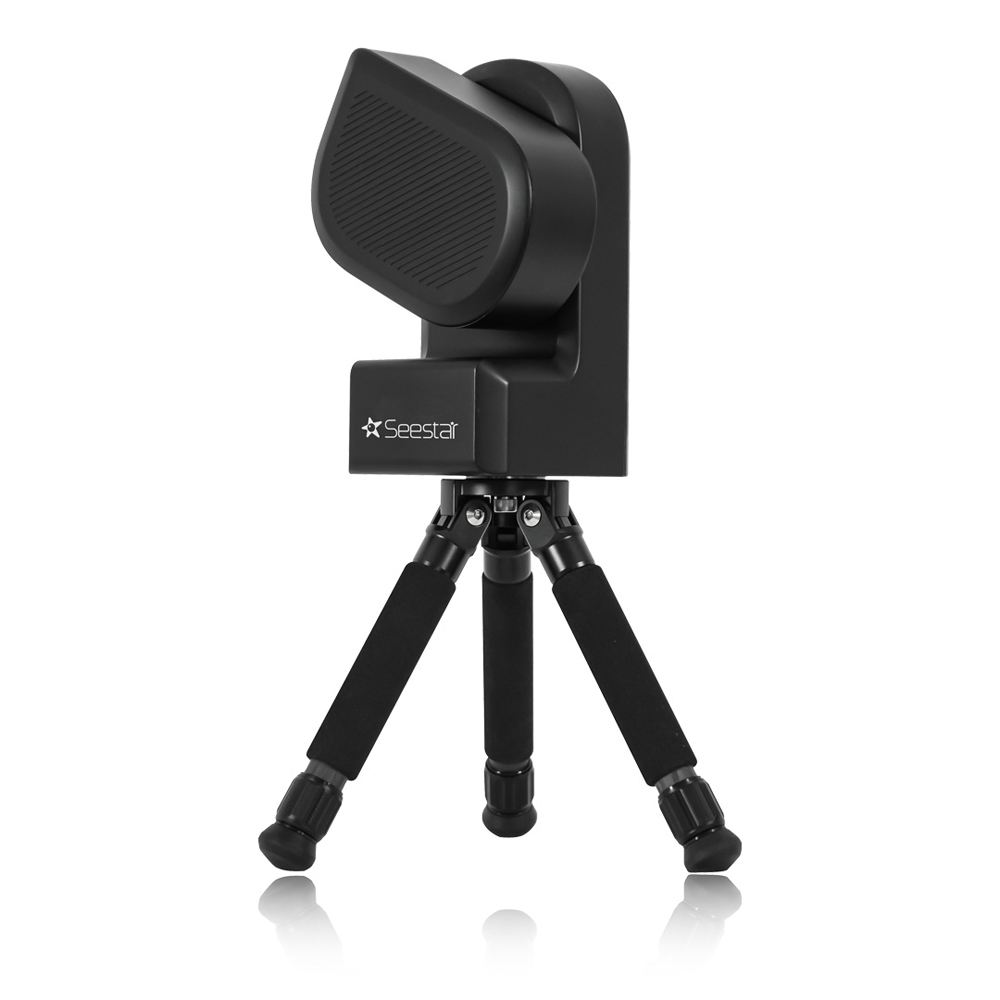
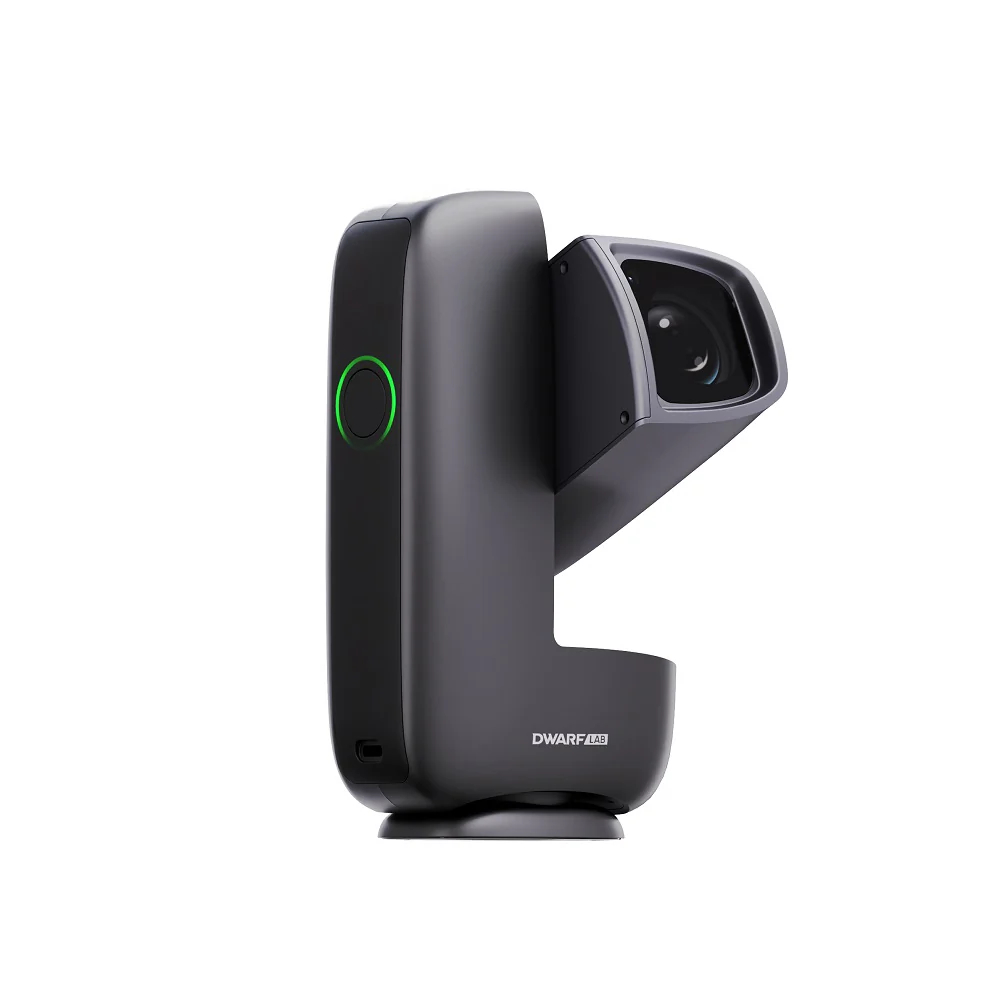
The result is spectacular: where visually through an eyepiece you often see a gray spot, a smart telescope on your tablet shows the deep pink hues of the Orion Nebula or the pale blue glow of a planetary nebula. This makes this technology perfect for people living in cities. Light pollution is the visual astronomer's worst enemy, but smart software can partially filter out that glow of the city, revealing objects you could never find with the naked eye.
Getting the most out of the data with post-processing with deep sky object observing
Many owners of a Seestar or Dwarf stop as soon as the telescope finishes its recording, but that's where the journey really begins for the enthusiast. This is because the image you see on your smartphone is a preview. The real treasure is in the raw data, called fits files. These files contain all the information captured by the sensor, without the compression of a standard photo. Did you know that you can let your smart telescope do the work even when you're not connected to the app? Once you start observing, feel free to close your phone or walk away for a cup of tea or coffee; the telescope will continue collecting data independently while you enjoy the night sky.
With the Seestar s50, you can export this raw data to your computer for editing in software such as Siril or GraXpert. By manually “stretching” the recordings, you pull the information from the dark to the light, so to speak. You can use this to balance the colors and even out the background. With the dwarf 3, post-processing is at least as important, especially since there you often work with a larger field of view. Here it is essential to work with “dark frames.” These are shots that capture the internal noise of the sensor. Subtracting these from your real photos in post-processing leaves a bizarrely clean and detailed image of distant space. Although most of the gains can be made on the computer, you can do the initial post-processing right in the apps themselves. The app from Dwarflab is remarkably comprehensive in this and offers a lot of manual control over the data. In contrast, the ZWO Seestar app is slightly more limited and takes a quick, user-friendly approach, giving you presentable results with fewer actions.
Environmental factors and the influence of the atmosphere
Whether you choose state-of-the-art technology or a traditional mirror, you are always at the mercy of the elements. Sky brightness is often measured on the bortle scale. In a city (bortle 8 or 9), visual observation of deep-sky objects is almost impossible, while in a really dark place (bortle 2 or 3) you can see the Milky Way casting shadows on the ground.
Besides darkness, the transparency of the air plays a big role. Sometimes a night appears clear, but there is a lot of moisture or particulate matter in the atmosphere. This scatters light and makes nebulae faint. Therefore, for a successful night, you must pay attention not only to the cloud cover, but also to the humidity and stability of the atmosphere. The most beautiful moments are often experienced during a cold, dry winter night when the air is still and the universe shows itself in all its sharpness.
Observing deep sky objects is an extraordinary journey through the night sky!
Ultimately, astronomy is a personal exploration. Some find satisfaction in peering for hours at a faint speck to discern that one structure in a distant galaxy. The other enjoys the technology and the satisfaction of a self-edited astrophoto that rivals images in scientific journals. In 2026, you no longer have to choose one camp; many amateurs use a smart telescope to collect data while using binoculars or a larger Dobson scouring the heavens yourself.
The beauty of this hobby is that you never stop learning. Every time you put the telescope outside, the atmosphere is different, the moon is in a different position, or you discover a new object you had never seen before. Whether you go for the raw experience at the eyepiece or the digital splendor on a screen, you're looking at the same awe-inspiring universe.
Want to know specifically how certain objects look through different instruments? We have written comprehensive guides on how the orion nebula through a telescope appears and what to expect from the andromeda nebula through a telescope. For those still unsure about the right gear, our section on making a choice between traditional telescopes and the new generation smart telescopes the perfect starting point.
 Dutch
Dutch English