
Counterweights
Showing 13–22 of 22 resultsSorted by popularity
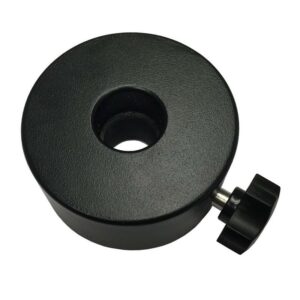
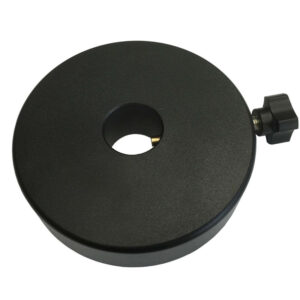
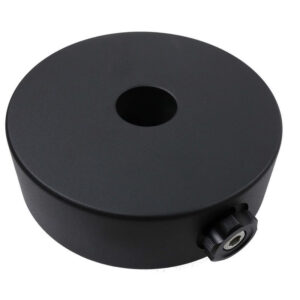
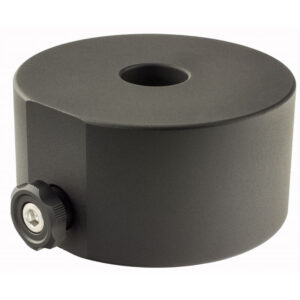
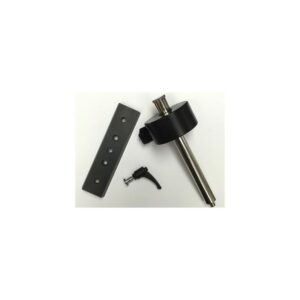
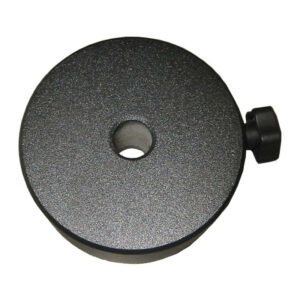
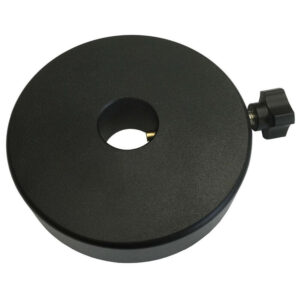
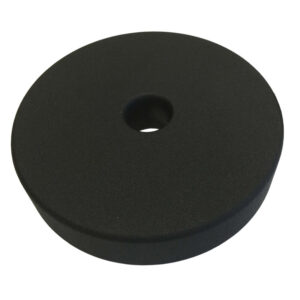
Showing 13–22 of 22 resultsSorted by popularity
Counterweights: Balance for your equatorial mount
An equatorial mount functions properly only when the load on the axes is neutralized. When a telescope is heavier on one side, the motors and internal transmission must constantly work against gravity. This leads to irregularities in star tracking and causes additional wear on the gears. Counterweights are used to accommodate this weight difference. At Telescope.nl we supply weights that fit the axles of the well-known systems of Bresser, Explore Scientific and Omegon.
Whether you add a larger camera or a heavier eyepiece used: any change on the telescope side must be compensated for on the other side of the axis.
Why the right weight matters
Although a counterweight is basically a simple block of metal, the fit to the mount must be correct to avoid vibrations. Our selection of Sky-Watcher, iOptron and Bresser is focused on the following technical standards:
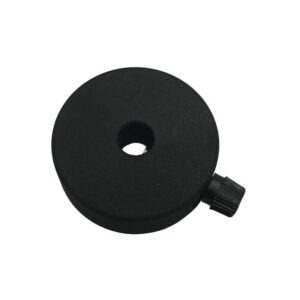
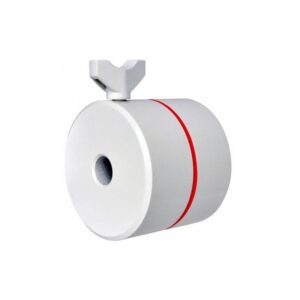
Shaft diameter: The bore in the center of the weight should match the thickness of your counterweight shaft (usually 20mm or 25mm). A weight that does not fit well, may start to slide or wobble, which affects the stability of the entire setup.
Security: The weights feature a dial to lock them onto the shaft. Many models also have an internal safety device that prevents the weight from falling off the bar immediately when the knob is loosened.
Finish: The weights of Explore Scientific and Omegon are painted or coated. This prevents rusting, which is important because you often use the equipment in a humid outdoor environment.
Maintenance of mechanical balance
You can find these weights under telescope accessories/mounting/mounting accessories/counterweights/.
Within the range of mount accessories the counterweight is one of the most commonly used parts when modifying a setup. At Telescope.nl we understand that switching to a heavier optical tube or adding a tracking scope (guiding scope) directly affects the balance. Because of the classification in this category, you can quickly find the extra weight needed to make your mount's motors spin freely again.
What do you look for when purchasing?
When choosing an additional counterweight, three things determine its performance:
The bore: Measure the thickness of your mount's shaft. Mountings of iOptron, Sky-Watcher and Bresser use different sizes. We stock weights for all common diameters.
The distribution: It is mechanically better to place two lighter weights (say 2x 5kg) high on the axle than one heavy weight (10kg) at the very bottom. This limits the slowness of the system, allowing the mount to come to rest faster after movement.
Carrying capacity: For visual observing, you can load a mount to the limit, but for astrophotography it is recommended to keep the total payload (telescope plus accessories and weights) well within the margins of the mount.
Advice for your setup
Do you have a new camera and want to know if your current counterweight of Omegon still suffices, Or are you looking for a specific weight for a tracker of Sky-Watcher? At Telescope.nl we have the experience to determine how much extra mass you need for a stable run. We make sure the weight distribution is correct, so that the mount follows the starry sky without a hitch.
 Dutch
Dutch English