
Reducers
Showing 13–24 of 26 resultsSorted by popularity

Showing 13–24 of 26 resultsSorted by popularity
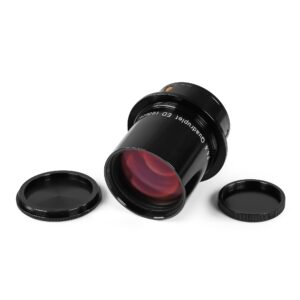
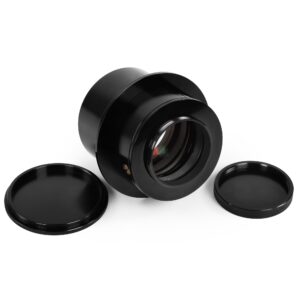
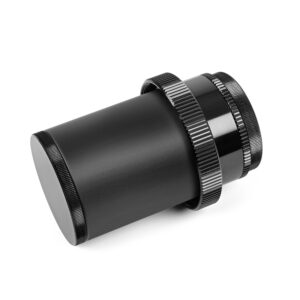
The function of a focal reducer
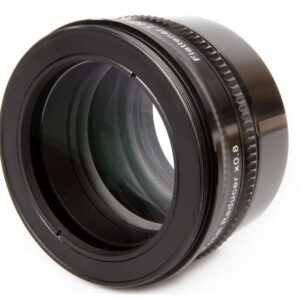
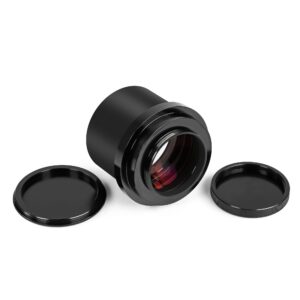
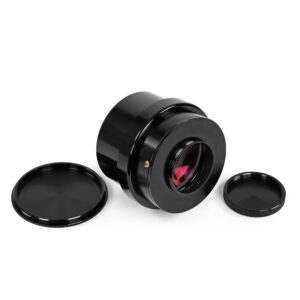
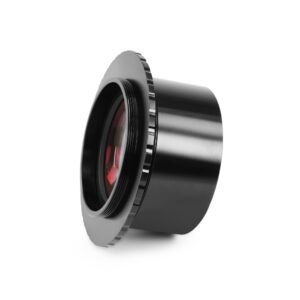
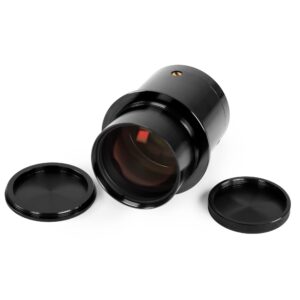
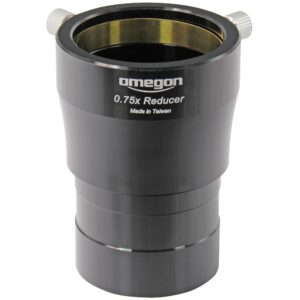
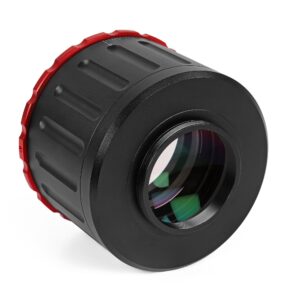
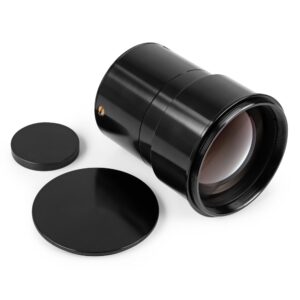
A focal reducer is an optical system placed between the telescope and the camera to reduce the focal length. In astrophotography, this is often referred to by a factor, such as 0.8x or 0.7x. By shortening the focal length, the aperture ratio (f-number) of the telescope becomes faster. This results in shorter exposure times to gather the same amount of light on the sensor.
Wider field of view and shorter exposure
The main purpose of a reducer is to enlarge the field of view (FOV). This is essential for photographing vast deep-sky objects, such as the North American Nebula or the Pleiades, which do not fit completely on the sensor at the original focal length. Because the reducer concentrates light on a smaller area, the signal-to-noise ratio per unit time increases, which can significantly reduce the overall shooting time of a project.
Reduce in field correction
Many modern reducers act as ‘flatteners’ at the same time. Telescopes by nature often have a curved field of view, which causes blurred stars at the edges. A quality focal reducer/flattener corrects this curvature so that stars remain spot-shaped over the entire surface of the sensor. This is especially critical when using larger sensors, such as APS-C or full-frame.
Installation and back focus
When using a reducer, the distance to the sensor (backfocus) is crucial for optical performance. Most reducers are designed for a standard distance of 55 mm. Deviations of a few millimeters can lead to star distortion or vignetting. It is therefore necessary to use the correct spacers and adapters to achieve this exact measurement within the optical train.
 Dutch
Dutch English